You've found an online service that says it can prescribe what you need, and you're wondering whether to book, fill out the intake form, or close the tab. The direct answer is yes, prescriptions can be issued online in many situations. But eligibility isn't automatic, and a website offering medication isn't the same thing as a legitimate telehealth visit.
The better question is whether your situation is appropriate for online care, whether the clinician can legally treat you where you are, and whether the service will follow through with pharmacy verification and monitoring. Those checks matter more than a promise of speed.
The Short Answer and the Better Question
For many non-controlled medications, a licensed clinician can prescribe after evaluating you through telehealth. That evaluation may happen by video or, where legally appropriate, another form of remote communication. The clinician can also decide not to prescribe if your history, symptoms, or medication risks call for an examination, testing, or in-person care.
So ask “Am I eligible, and is this service legitimate?” rather than treating “Can I get a prescription online?” as a simple yes-or-no question. Three checks shape the answer:
- Your clinical eligibility: The prescriber needs enough information to decide whether the medication is appropriate and safe for you.
- The provider's authority: The clinician must be licensed or otherwise authorized to practice where you're physically located during care.
- The medication's rules: Controlled substances face different requirements from ordinary prescription medicines.
Online access has made care more convenient, including for people seeking weight-management treatment. But convenience doesn't remove the need for diagnosis, medication review, informed consent, or follow-up. For medicines such as semaglutide and tirzepatide, an online assessment may be part of a legitimate process, but it doesn't guarantee that a clinician will prescribe.
A useful standard: If a service sells you a prescription before a clinician has meaningfully assessed you, treat that as a warning, not a shortcut.
The rest comes down to how the service handles your evaluation, your state's rules, and the prescription after the visit.
How a Legitimate Online Prescription Actually Works
A genuine telehealth process should feel like a medical visit, not a checkout flow. The clinician needs to know who you are, where you're located, what you take, and what health conditions could change the decision.
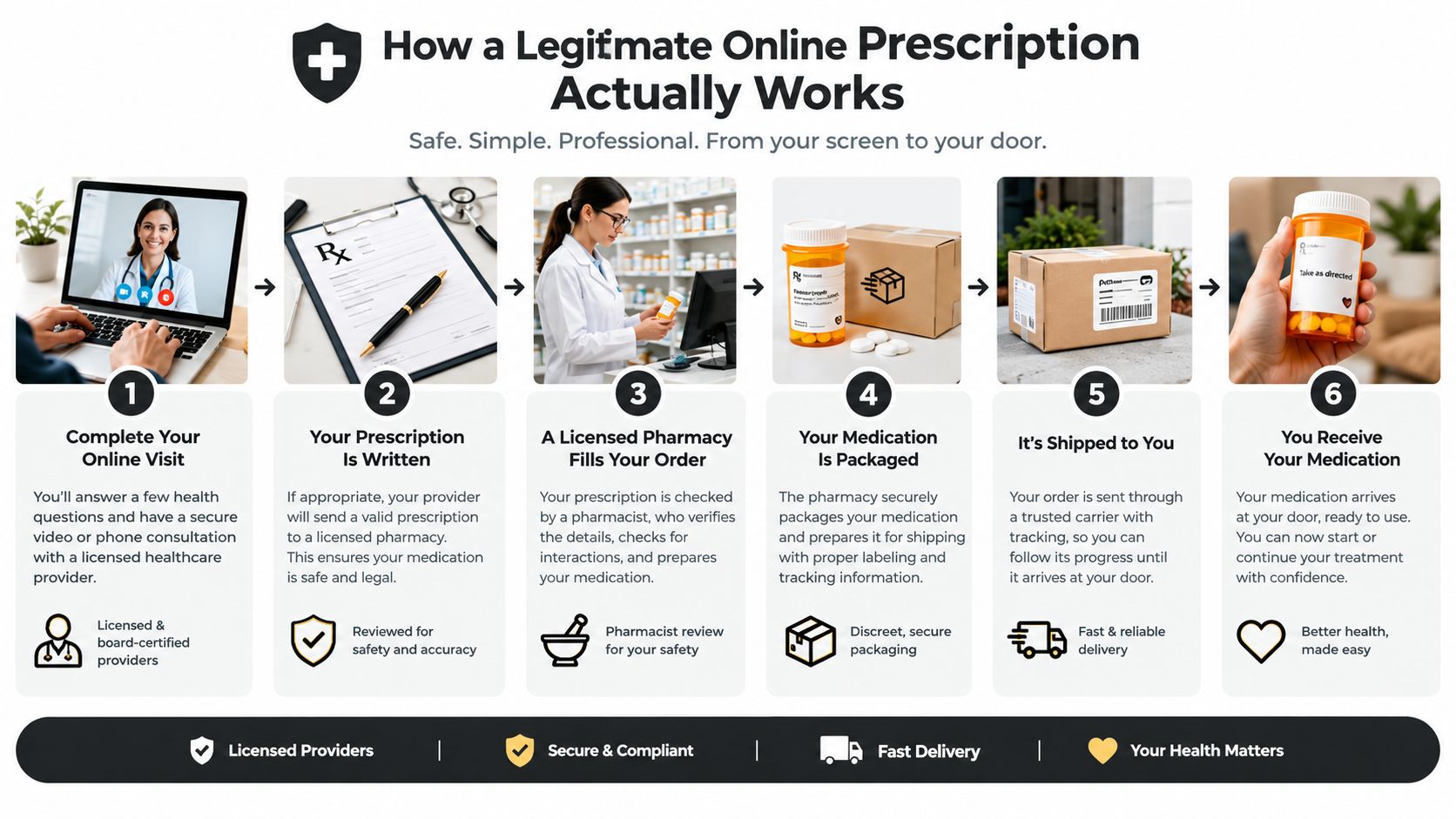
From intake to clinical decision
First, expect the service to confirm your identity and current location. Location matters because clinicians must be authorized to practice where the patient is, and state rules can affect prescribing. A form that asks where you live isn't busywork. It's part of deciding whether the provider can see you legally.
Then you'll provide your medical history, current medications, allergies, prior treatments, and relevant symptoms. Be candid. A clinician needs to consider interactions, contraindications, previous adverse reactions, and whether your symptoms require a different level of care. A questionnaire can collect useful information, but it shouldn't replace a meaningful clinical evaluation.
The clinician may assess you by video or another legally valid method. If you're unsure what a video visit involves, this overview of whether telehealth is a video call can help you understand what to expect. For a separate example of how a specialty telehealth practice approaches remote care, see this Florida telemedicine psychiatry guide.
From decision to follow-up
If the clinician finds treatment appropriate, they should explain the expected benefits, material risks, and instructions, and obtain informed consent. A prescription is then sent to a pharmacy. The visit shouldn't end with a vague promise that medication is on the way. You should know which pharmacy will fill it, how to reach the care team, and what to do if you have a problem.
For weight management, a careful provider will ask about your current weight, relevant health conditions, previous treatment, and medication history. If treatment is prescribed, dose changes should depend on how you tolerate the medicine, not a schedule that ignores symptoms. You should also have a plan for monitoring progress and reporting side effects.
The FDA estimates that roughly 35,000 online pharmacies operate at any given time, yet approximately 5% comply with U.S. pharmacy laws and professional practice standards (FDA BeSafeRx frequently asked questions). That's why a legitimate visit includes attention to the dispensing pharmacy as well as the clinician's decision. A clinician can refuse to prescribe, request more information, or direct you to in-person care when that's safer.
The Legal Rules That Decide Whether You Qualify
There's no blanket rule that makes every prescription suitable for online prescribing. The answer depends on the medication, your location, the clinician's authority to treat you there, and whether the evaluation meets applicable requirements.
Controlled substances have a distinct federal history. The Ryan Haight Online Pharmacy Consumer Protection Act of 2008 took effect on April 13, 2009, and generally required at least one in-person medical evaluation before a controlled substance could be prescribed through the internet. Telehealth exceptions expanded during the COVID-19 public-health emergency under defined conditions (DEA and HHS guidance).
That history doesn't mean telemedicine is prohibited. It means a service must account for the specific drug and the rules that apply. Controlled-substance prescribing may involve federal requirements, including conditions on the prescriber and the telemedicine encounter. State law can add requirements, too.
Location is part of the legal check
A clinician's license isn't a general nationwide pass. The provider must be authorized to practice where you're located at the time of care, so a legitimate service should ask for your state before confirming that it can see you. If you travel or move, don't assume the same clinician can continue treating you without checking.
DEA telemedicine rules continued to develop in January 2025, including pathways that addressed online platforms connecting patients with prescribers. The practical point for patients is not to interpret a website's availability as proof that a prescription is legally appropriate. Ask the service how it handles your location and the medication you're requesting.
Non-controlled medicines, including GLP-1 obesity medications such as semaglutide and tirzepatide, don't generally face the same controlled-substance restrictions. They still require a genuine assessment, appropriate prescribing, and follow-up. If you're considering treatment for weight management, review the GLP-1 eligibility considerations, then discuss your own circumstances with a licensed clinician.
A valid online visit can end without a prescription. That may happen if the provider needs an examination, testing, records, or a safer in-person assessment. A service that acknowledges those limits is behaving like a medical practice, not a vending machine.
What to Have Ready Before Your Visit
You don't need to prepare a perfect medical file. You do need to give the clinician accurate information and have the basics ready so they can make a responsible decision.
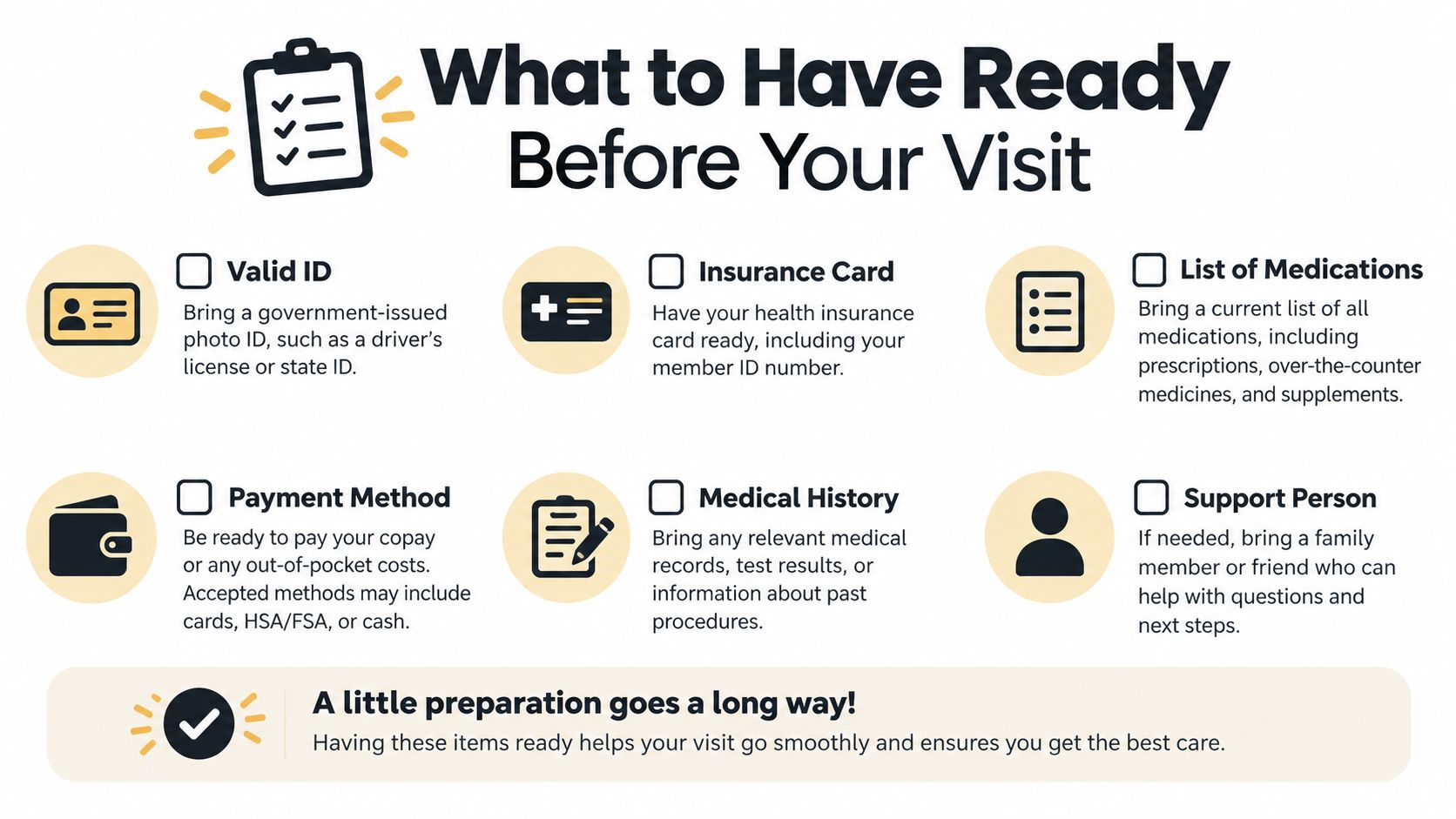
Before booking, gather:
- Photo ID and your current location: The service may need to verify both your identity and the state where you'll receive care.
- A complete medication list: Include prescriptions, over-the-counter medicines, and supplements. Don't leave something out because you worry it could affect approval.
- Relevant records or test results: Bring recent labs or prior clinician notes if you have them. The provider can tell you if more information is needed.
- Your treatment history: Note what you've tried, how you responded, and any side effects or reasons you stopped.
- A current health summary: Be ready to discuss diagnoses, allergies, past medication reactions, and symptoms that concern you.
For a weight-management visit, have a reasonable estimate of your current weight and be prepared to discuss related health conditions and previous approaches. Don't change your weight or medical history to meet a threshold. Inaccurate information can lead to a poor prescribing decision and make follow-up less safe.
Write down the questions you want answered. Ask how the clinician will choose a starting dose, what side effects should prompt a message or urgent care, how dose changes are decided, and when the plan will be reviewed. Also ask which pharmacy will fill the prescription and how to contact the clinical team after the appointment.
A prepared visit isn't about persuading someone to approve you. It's about giving the clinician enough accurate information to decide what's appropriate. If records or testing are missing, ask what to provide next rather than guessing or concealing details.
Red Flags That Mean Walk Away
A website can look polished and still offer unsafe care. The clearest warning is a prescription-only medicine offered without a real prescription or clinical assessment. The FDA also flags pharmacies that don't require a prescription, offer unusually low prices, lack a verifiable U.S. address or telephone number, or don't ask about medical history.
Pause before paying if the service won't tell you who the clinician is, how to reach them, or what happens after the visit. A referral page that collects your information and routes you elsewhere isn't necessarily the medical practice responsible for your care.
Check the pharmacy, not just the website
Look up the dispensing pharmacy through the relevant state board of pharmacy. Confirm its name and license, and make sure the prescription and medication instructions match what the clinician told you. If the pharmacy changes or refuses an order, ask the prescriber to explain the next step. Don't accept a substitute or unclear product description without understanding what you're receiving.
For compounded medications, ask which pharmacy prepares the product and how the service verifies the medication, labeling, storage instructions, and shipment conditions. If you use an injectable medicine, you should know how to store it and what to do if the package arrives in a condition that raises concern. The clinician should also provide a way to report adverse effects.
Privacy promises aren't a substitute for clinical quality or medication verification. Encryption claims or HIPAA language don't, by themselves, prove that a clinician evaluated you or that a pharmacy filled the order properly. This explanation of HIPAA-compliant telehealth platforms can help clarify the privacy side, but you still need to verify the provider and pharmacy separately.
Walk away if a site guarantees approval, takes payment before any meaningful assessment, or leaves you with no way to contact a clinician afterward.
Matching the Right Service to Your Situation
The right service depends on what you need from care. A quick process may suit someone with a straightforward request. A complex history calls for a provider who's willing to slow down, request records or testing, and coordinate with your usual clinician.
| Reader Priority | What to Look For | Question to Ask |
|---|---|---|
| Low-friction care | Clear intake, accessible clinician messaging, and a practical plan for pharmacy fulfillment | “How will I contact the clinician if my symptoms or situation change?” |
| More complex medical needs | Time for medication review, willingness to request records or tests, and coordination with your primary care clinician | “What information or testing would you need before deciding?” |
| Clear costs and benefits | Written fees, an explanation of insurance documentation, and straightforward cancellation or refund terms | “What could I be charged beyond the consultation, and what does the fee include?” |
A service built around brief messaging can be convenient, but convenience shouldn't mean that the clinician skips your medical history. If your case is complicated, choose access to clinical judgment over the shortest intake form.
For controlled medications or ongoing behavioral-health care, ask more about follow-up and prescribing safeguards. This resource on telehealth psychiatry for ADHD offers context for patients comparing remote psychiatric care options.
For weight-management care, Weight Method offers an online health assessment followed by licensed-provider review, with prescription management, pharmacy fulfillment, and ongoing support for eligible patients. That's one option to assess against the same questions you'd ask any telehealth service: who evaluates you, what happens if you're not eligible, and how follow-up works.
Your Next Step and What to Watch For
Before you book, check five things: your location, the clinical criteria, the medication category, the provider's authority to treat you, and the pharmacy's license. Start by confirming that the service will evaluate you, not push a product on you.
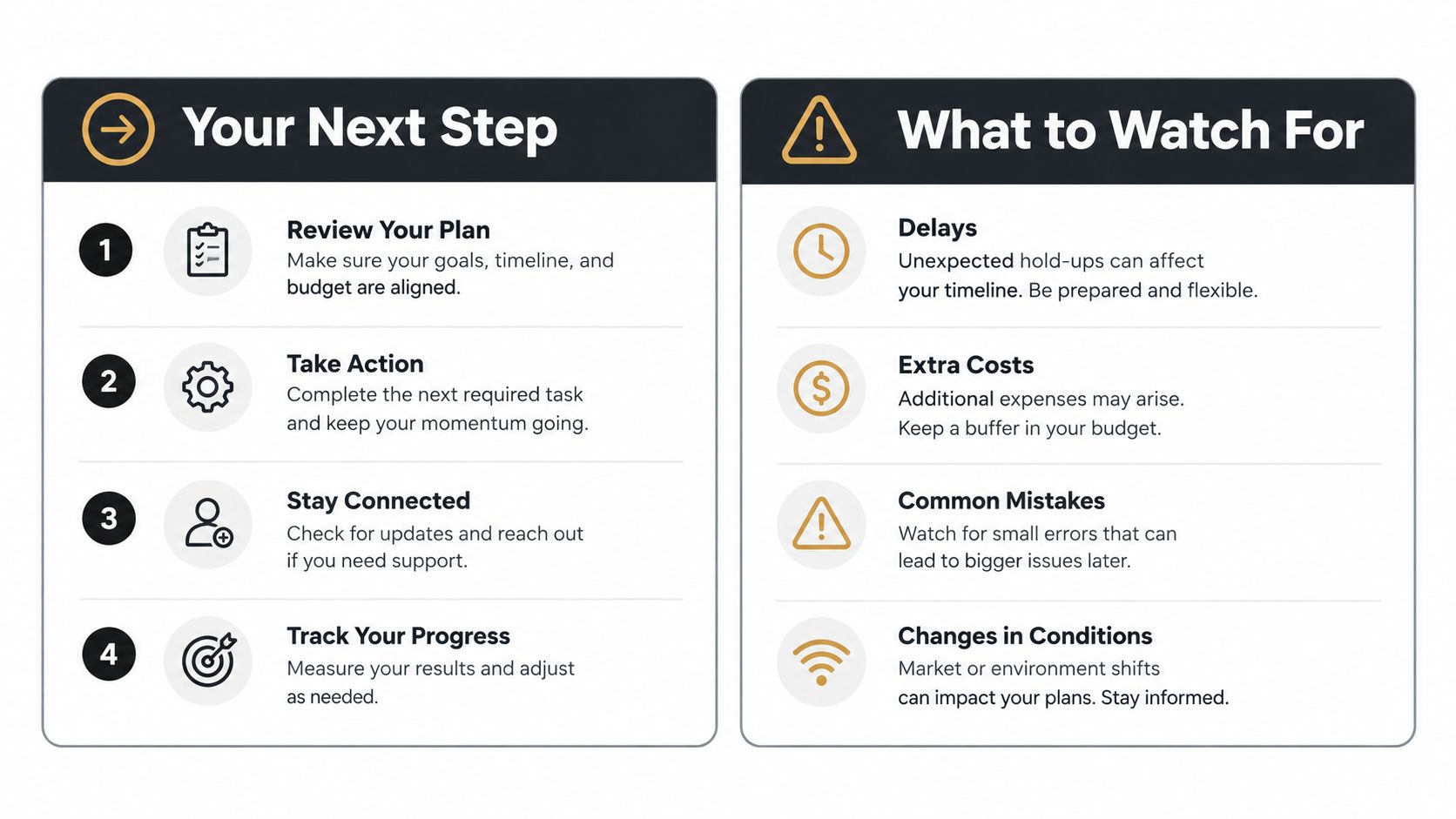
After a prescription arrives, compare the label with the clinician's instructions, follow the storage directions, and use the stated channel to report side effects. Keep the follow-up appointment. For injectable medication, ask the pharmacy or clinician what to do if shipment conditions or packaging seem wrong.
An online consultation may end with no prescription because the clinician needs more information or believes in-person care is safer. That isn't a failed visit. It's part of responsible medical care.
If you're considering medically supervised weight management, visit Weight Method to review its online assessment and provider-led care process. Complete the assessment, then use your consultation to confirm eligibility, pharmacy fulfillment, and the follow-up support you'll receive.