Most cash-pay telehealth visits cost $40 to $90, while all-inclusive subscription programs often start near $99 to $149 per month. Insured visits may follow a 20% Medicare-style coinsurance after the deductible, so the right answer depends on the pricing model, your coverage, and whether medication or lab work is involved.
You may be staring at a low advertised visit fee, ready to book from your kitchen table, only to discover that the prescription ships separately, lab work costs extra, and a missed month triggers a reactivation charge. That's how a convenient virtual appointment becomes an expensive care episode.
The useful question isn't “how much does telehealth cost?” It's “what will this care pathway cost me each month?” A fair comparison includes the consultation, prescription, medication, labs, shipping, follow-ups, dose changes, and cancellation rules. The sections below compare the main pricing models and give you a practical way to pressure-test any quote before entering your card details.
What Telehealth Costs in 2026
A patient can pay $59 for the initial consultation, then add $95 in monthly medication, $48 for quarterly labs, and a $39 reactivation fee after skipping a month. Those line items can turn an inexpensive appointment into an annual bill of roughly $1,500. The consultation is only one charge in the care pathway.
For routine care, the broad cash-pay benchmark is $40 to $90 per visit. One Health Affairs-based comparison puts the average telehealth visit at $79, versus $146 for an in-office visit, making the virtual price 46% lower in that comparison (GoHealth's telehealth cost guide). Subscription programs replace the individual visit fee with a recurring monthly charge, while medication programs combine clinical management with the product.
The three numbers you should compare
| Pricing Model | Typical Range | Best Fit |
|---|---|---|
| Per-visit cash pay | $40 to $90 | An occasional, straightforward concern |
| Subscription bundle | $99 to $149 per month | Recurring messaging, visits, or refills |
| Condition-specific medication program | $129 to $249 per month | Ongoing treatment with medication included |
Use these ranges to screen providers, not to predict your final bill. Confirm whether the quoted amount covers the prescription, pharmacy fulfillment, labs, follow-up appointments, dose adjustments, shipping, and cancellation or reactivation rules. A platform offering mental health care should also explain how recurring appointments and claims are handled. This overview of telehealth billing for mental health provides useful billing context.
Insurance can change the calculation entirely. Medicare beneficiaries generally pay 20% coinsurance after the Part B deductible, and the 2025 Part B deductible is $257, according to Medicare information (Medicare Part B deductible details). A commercial plan may apply a copay, deductible, or coinsurance. A cash-pay platform may skip insurance and charge its posted rate instead.
Practical rule: Treat the advertised visit price as an entry fee until the provider confirms the full cost of the expected care episode.
For weight-management care, total the subscription, medication, lab, pharmacy, and shipping costs before choosing a provider. Use this guide to organize out-of-pocket costs and pressure-test the monthly total, not just the first appointment fee.
The Three Pricing Models Side by Side
Telehealth pricing usually falls into three structures. Each works well for a different patient, and each becomes expensive when used for the wrong type of care.
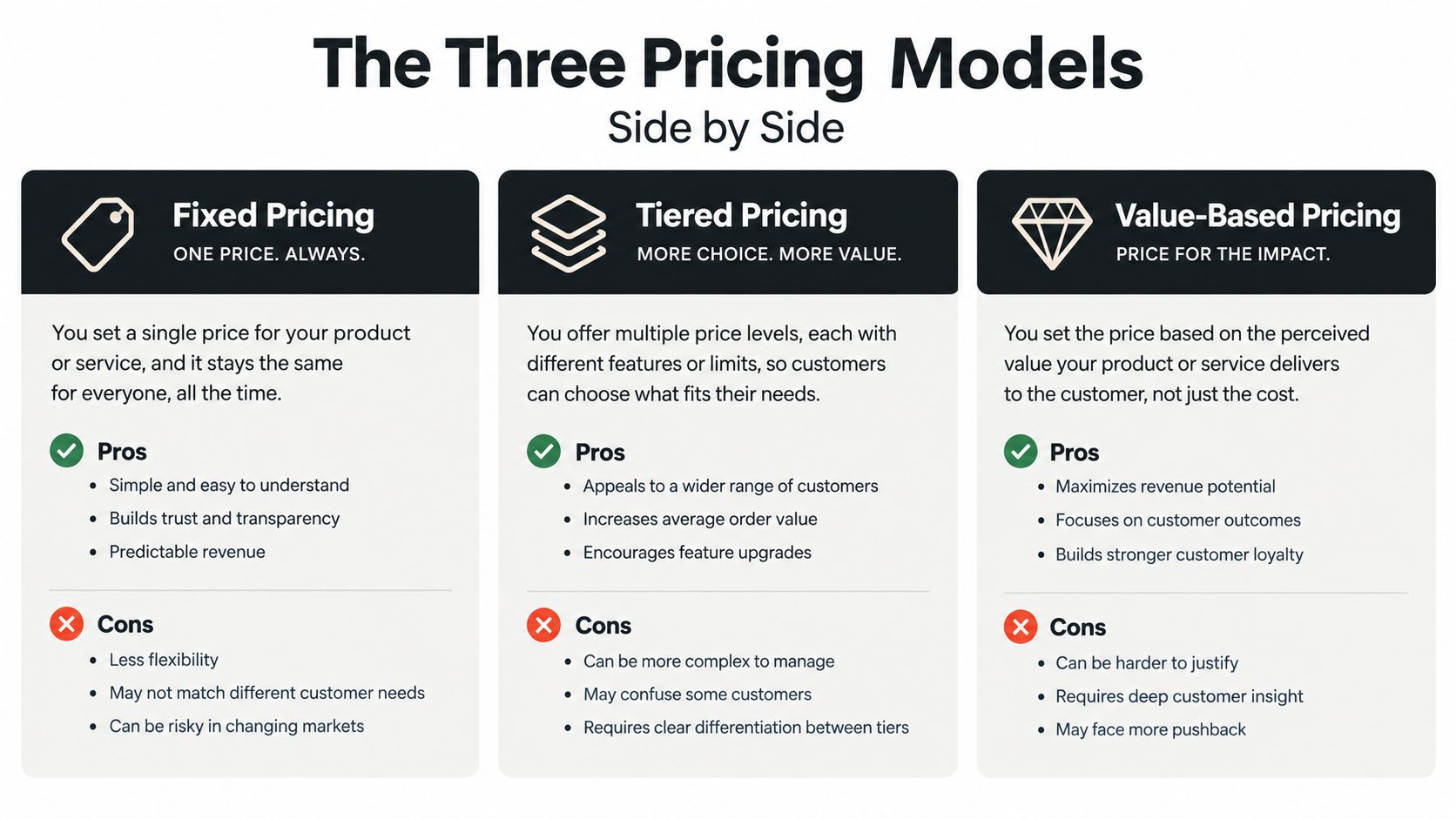
Per-visit cash pay
A cash visit commonly costs $40 to $90 for a basic consultation (Zocdoc's telehealth cost guide). You pay for the appointment, receive an assessment and treatment recommendation, and may have a prescription sent to your pharmacy. Follow-up visits, medication, lab work, and shipping usually sit outside that fee unless the provider says otherwise.
This is the cleanest option for a one-off problem. If you need a brief consultation for a minor infection, a routine question, or a simple refill request, paying only when you use the service avoids a membership you may forget to cancel.
Subscription bundles
A subscription typically costs $99 to $149 per month in the pricing structures compared here. The bundle may include unlimited messaging, a defined number of visits, and some refill support. Lab orders and specialty medications are often separate, so “unlimited” rarely means unlimited care at no additional cost.
Subscriptions make sense when you expect regular contact. If you need two or more visits in a quarter, frequent messaging, or recurring prescription management, the predictable monthly fee may beat repeated cash visits. Read the cancellation, pause, and reactivation terms before joining.
Medication programs
Condition-specific programs generally range from $129 to $249 per month, with the medication included in the program structure described here. The bundle may cover shipping, clinician check-ins, dose adjustments, and ongoing treatment support. GLP-1, hormone, and some mental-health platforms commonly use this model.
The model only works financially if the bundled medication cost beats the cash price at your local pharmacy plus separate consultation fees. Compare the actual product, pharmacy source, shipping schedule, lab requirements, and dose-change policy. A low monthly price is no bargain if the medication is excluded.
| Model | Usually included | Often separate |
|---|---|---|
| Per-visit | Consultation and clinical recommendation | Medication, labs, follow-ups, shipping |
| Subscription | Messaging, scheduled visits, selected refill support | Labs, specialty medications, reactivation |
| Medication program | Medication, shipping, monitoring, dose adjustments | Some labs, additional services, cancellation charges |
The breakeven calculation is straightforward. If a cash visit costs $59, a $99 monthly subscription becomes cheaper only when the included services replace more than one comparable paid interaction or add enough refill and messaging value to justify the difference. A medication program should be judged against the combined cost of the drug, a separate visit, and required monitoring, not against the visit fee alone.
How Insurance, Medicare, and HSA Coverage Change the Bill
Insurance does not automatically make telehealth free. It changes who sets the rate, how the claim is processed, and which portion reaches your bill.
Before booking, check your insurer's member portal or call customer service. Ask whether the provider is in network, whether telehealth uses the standard office-visit benefit, and whether the charge applies to your deductible. Some plans offer a low or zero copay through designated platforms. An out-of-network or direct-pay visit may receive no coverage.
For traditional Medicare, covered telehealth generally follows Part B cost-sharing. As noted earlier, beneficiaries typically pay 20% coinsurance after the Part B deductible. A virtual visit may cost less than an office appointment, yet your share can still be substantial if you have not met the deductible.
Medicare Advantage plans can set different benefits, including telehealth perks and low member copays. Treat the advertised virtual-care benefit as limited until the plan confirms otherwise. Verify the exact provider, service category, specialist status, and claim-processing rules.
A simple coverage map
| Coverage Type | Typical Member Pays | Notes |
|---|---|---|
| Commercial insurance | Copay, deductible-based amount, or coinsurance | Depends on network status and benefit design |
| Traditional Medicare | Generally 20% after the Part B deductible | Part B rules usually apply to covered services |
| Medicare Advantage | Plan-specific copay or benefit | Telehealth perks may apply only to designated providers |
| Cash pay | Posted visit or monthly price | Insurance may not process the charge |
| HSA or FSA payment | Eligible expense paid with tax-advantaged funds | Confirm eligibility and retain documentation |
HSA and FSA funds can often pay for eligible telehealth visits and prescribed medications. Eligibility depends on the account rules and your tax situation, so confirm before using the funds and keep receipts, invoices, and claim records. Review this guide to FSA and HSA reimbursement for documentation and reimbursement guidance.
Judge coverage against the full monthly total, not the advertised visit price. Medication, lab work, shipping, follow-ups, and reactivation charges can remain outside the covered benefit or subscription. Ask before booking: “What amount will be charged to me today, and what amount could remain after the claim is processed?” Get the answer in writing. That separates the platform's posted price from your actual responsibility.
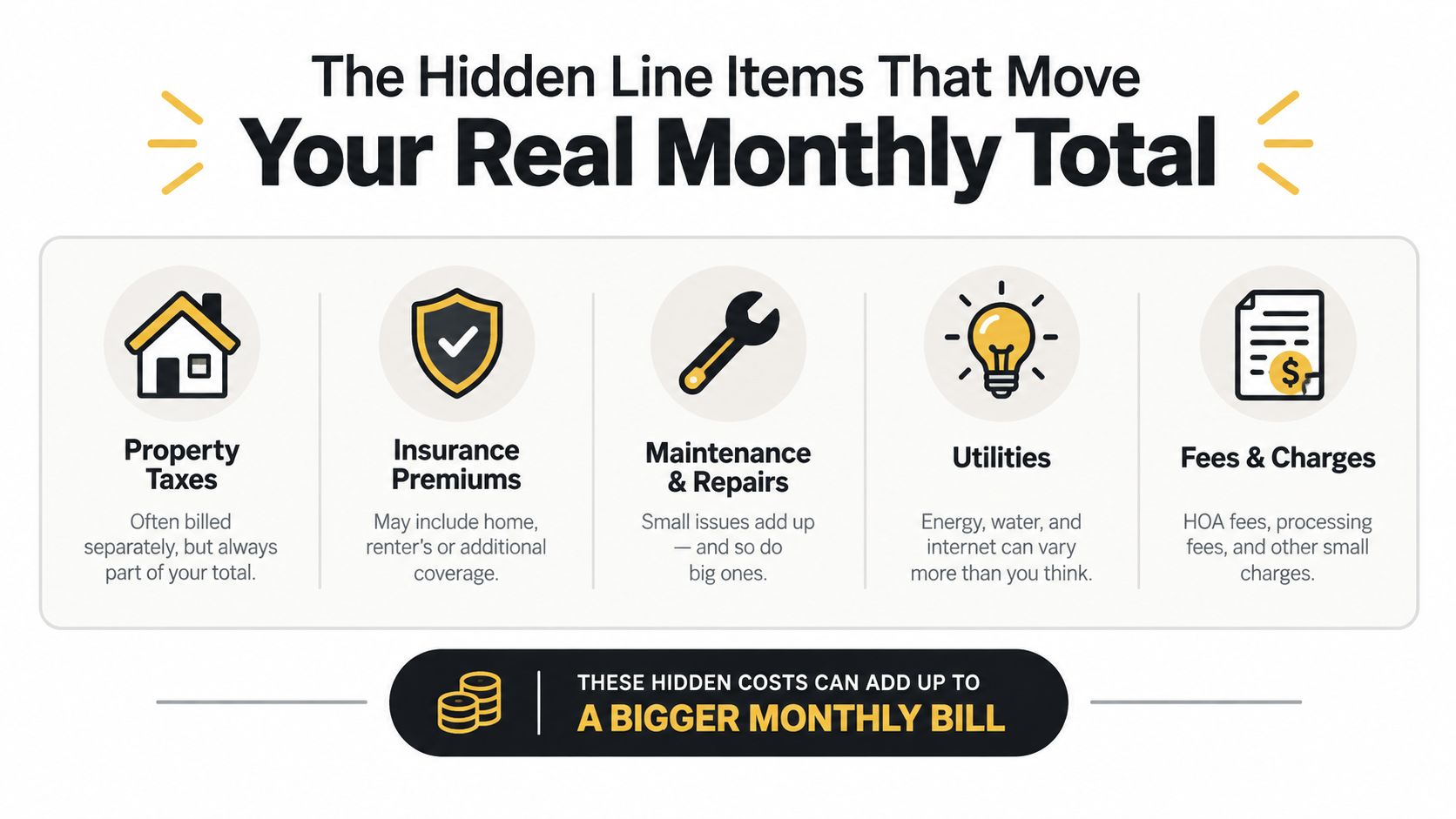
The Hidden Line Items That Move Your Real Monthly Total
Telehealth landing pages often highlight the smallest visible number. The bill grows through add-ons that patients discover only after enrollment.
Common extras include prescription delivery, lab work, follow-up consultations, dose changes, cancellation charges, and subscription reactivation. Medication programs may also separate shipping, cold-chain handling, pharmacy markup, or required testing from the headline membership price, as described in this overview of hidden telehealth subscription fees.
Where the money leaks
- Shipping and fulfillment: Medication may carry a separate delivery charge, especially when temperature-controlled handling is required.
- Labs: Required blood work can be billed by the platform, a partner laboratory, or your insurance plan.
- Dose changes: A titration appointment may count as a new clinical visit instead of routine program support.
- Cancellation: Some memberships charge a fee, while others bill the entire month if you cancel after renewal.
- Reactivation: Pausing treatment may not be free. The account can require a new fee before care resumes.
- Prior authorization: Insurance-related paperwork may create an administrative surcharge.
- Messaging: “Unlimited support” may exclude certain clinical threads or require a higher membership tier.
- Renewal terms: A promotional price may end automatically, leaving you with a different recurring charge.
A quote that looks like $99 per month can become materially higher once medication, labs, shipping, and support are billed separately. The exact total depends on the program, but the pressure-test is always the same: ask for the expected monthly total at the maintenance stage, not merely the introductory price.
Before you enroll, ask these questions in writing:
- Is medication included at every dose?
- Are lab orders and lab processing included?
- Are dose adjustments covered?
- What happens if I pause for a month?
- Does cancellation stop the next charge immediately?
- Does shipping vary by medication or location?
- Which services trigger a new visit fee?
You should also review security and privacy practices, not just price. A guide to choosing a HIPAA-compliant telehealth platform can help you evaluate how a service handles patient information alongside its billing model.
Telehealth vs. In-Person Care at the Episode Level
A single appointment isn't how patients experience healthcare. They experience an episode that may include travel, parking, time away from work, childcare, prescriptions, follow-up calls, and another appointment. Telehealth can reduce the visible medical charge and eliminate several of those surrounding costs, but it won't be cheaper for every diagnosis.
A national analysis of 1.4 million U.S. telehealth encounters estimated savings ranging from $445,000 to $33 million for Medicare and from $155,000 to $181 million for Medicaid, with stronger savings in markets affected by provider shortages and geographic barriers (the PubMed analysis). Those figures describe system-level effects, not a guaranteed patient bill, but they show why episode design matters.
| Condition | Telehealth Cash | In-Person with Copay | Hidden Savings |
|---|---|---|---|
| Straightforward minor infection | Often a lower visit fee plus prescription | Visit cost plus travel and waiting time | Transportation and time away from work |
| Mental-health follow-up | Cash or covered virtual visit | Office copay or coinsurance | Privacy, travel, and scheduling flexibility |
| Dermatology photo evaluation | Virtual consultation where clinically appropriate | Office consultation and travel | Fewer trips for visually assessable concerns |
| Routine blood-pressure refill | Visit or subscription charge | Office visit and possible facility costs | Commute and time in the waiting room |
| Complex imaging or procedure | Often requires escalation | In-person care is necessary | Telehealth may add an extra step instead of saving money |
A comparative study cited by Penn Medicine found telemedicine visits were about five times less costly than equivalent in-person appointments for common conditions. Patient visits were billed about $400 less on average, and the average episode charge was $96 when telemedicine was the initial visit (Penn Medicine's study summary). The study's important insight is that fewer follow-up visits can lower the total episode cost.
Use telehealth for problems a clinician can reasonably assess remotely. Choose in-person care when you need a hands-on examination, imaging, a procedure, urgent testing, or treatment that cannot be safely evaluated through video or asynchronous review.
A Pre-Pay Checklist for Any Telehealth Quote
Price comparison fails when providers quote different packages. One platform may include medication and follow-ups, while another quotes only the first consultation. Put every offer into the same template before deciding.
Ask these questions before payment
- Visit or monthly total: Is the displayed price for one consultation, a recurring membership, or the full expected treatment month?
- Clinical follow-up: Are refills, dose changes, and follow-up visits included?
- Medication: Is the prescription included, or does it go to an outside pharmacy?
- Shipping: Is delivery included on every order, or only on the first shipment?
- Labs: Are tests bundled, billed per order, or required through a particular laboratory?
- Pausing: Can you pause without a charge, and what happens when you restart?
- Cancellation: Does cancellation stop the next renewal, or does the platform bill the full cycle?
- Reactivation: Is there a fee to resume care after a lapse?
- Renewal: When does the introductory price end, and what price applies afterward?
- Payment eligibility: Can you use insurance, an HSA, or an FSA for the relevant services?
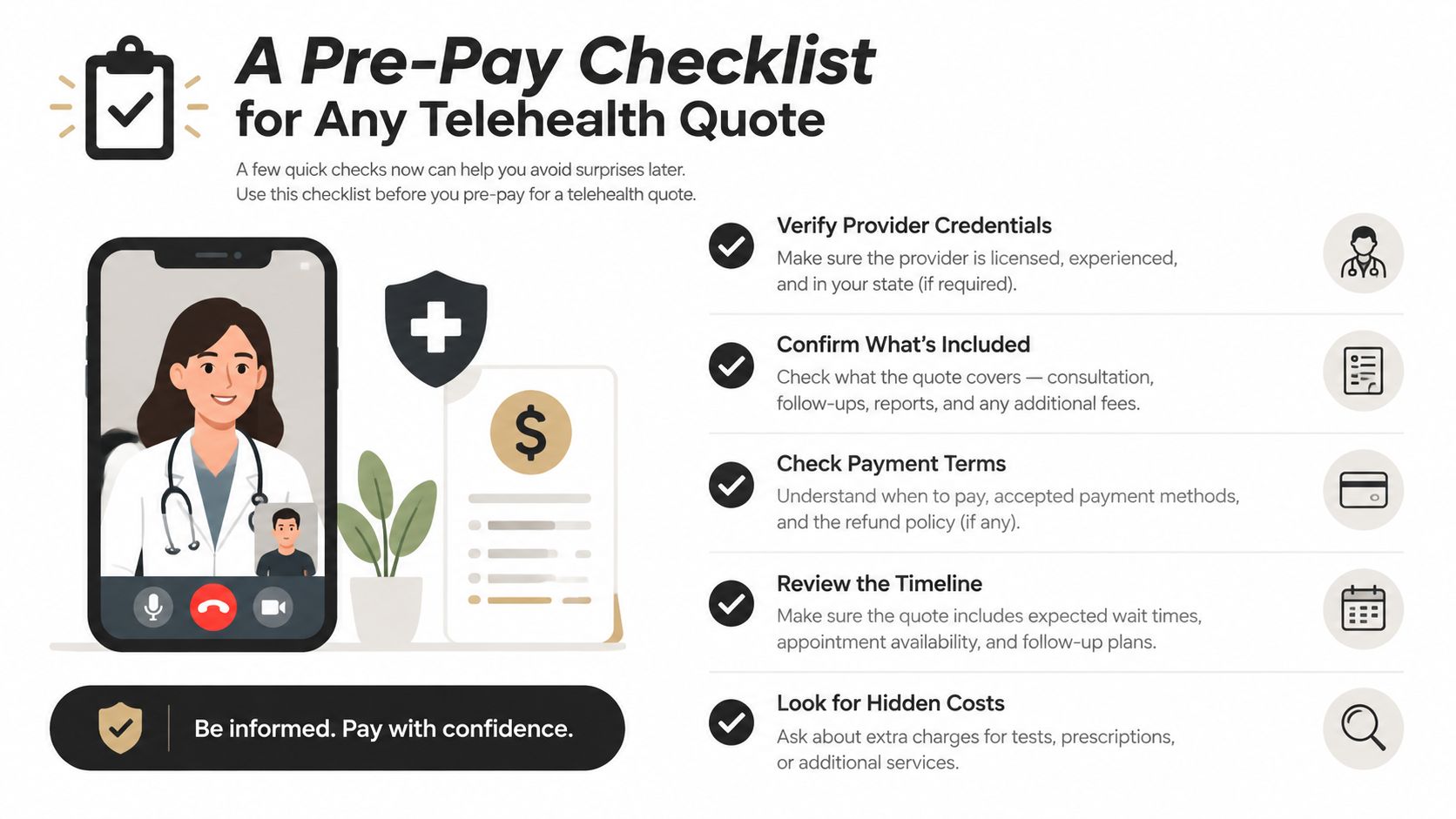
The most important question is the one platforms often avoid: “What will I pay in a normal month after the introductory period, including medication, labs, shipping, and follow-ups?” Ask for the answer by email or save the pricing page. A spoken promise is difficult to verify after a charge appears.
Use the same ingredients for every quote: clinical visits, medication, labs, delivery, support, cancellation, and reactivation.
Run this checklist even when you recognize the brand. Familiarity doesn't guarantee that the offer includes the care you need. A transparent provider should be able to explain each recurring charge without redirecting you to a general pricing page.
Which Pricing Model Is Right for You
Choose the model based on expected use, not the lowest number in an advertisement.
| Your Situation | Best Model | Why | Watch Out For |
|---|---|---|---|
| One occasional, low-acuity concern | Per-visit cash pay | You pay only when care is needed | Follow-ups and prescriptions may cost extra |
| Several planned contacts | Subscription | Recurring access can replace multiple visit charges | Unused months, renewal terms, and exclusions |
| Ongoing medication management | Medication program | The drug and clinical monitoring are bundled | Compare the medication against pharmacy cash pricing |
| One-time medication course | Per-visit cash pay | A membership may outlast the treatment | Separate prescription and follow-up charges |
| Chronic refill need | Subscription or medication program | Ongoing care needs predictable access | Check whether dose changes reset the billing cycle |
Per-visit cash pay is the right choice for occasional care when the visit is below $90 and you don't expect continuing support. It's the wrong choice for a chronic condition that demands repeated refills, monitoring, or messaging.
A subscription becomes more attractive when you expect two or more visits per quarter, especially if messaging and refills are included. Skip it if you rarely log in, because unused access is still a charge.
Medication-program pricing is sensible when the treatment itself is recurring, such as a medically supervised weight-management medication, birth control, or testosterone therapy. It's less appropriate for a one-time course. Compare the full medication-program price with the local pharmacy's cash price plus the separate clinical care you'd otherwise pay for.
For adults considering ongoing medical weight management, Weight Method publishes a cash-pay program that combines provider consultations, medication management, follow-ups, shipping, messaging, and dose adjustments in its monthly structure. Review the terms against the checklist above at Weight Method.
The decision can be made in minutes. Write down the number of visits, messages, refills, lab orders, and medication shipments you expect. Then request an all-in monthly quote from the provider you're considering and compare it with the cost of paying for each service separately. That exercise exposes the pricing model that fits your care, not the one with the most attractive headline.
Before paying for telehealth, use the checklist to request a written all-in quote that includes medication, labs, shipping, follow-ups, and renewal terms. Weight Method offers medically supervised weight-management care with provider support and medication delivery in a recurring telehealth program, so visit Weight Method to review whether its pricing structure fits your treatment needs.